Standard of Care Regulation of Pharmacy Practice in New York
We need this New York pharmacist practice regulation establishes regulatory parity with professional peers and recognizes professional heterogeneity. Learn more and help us implement Standard of Care model regulation for pharmacists in New York state.
WHY do we need this regulatory change in NY?
⚡An Update of NY Pharmacist Practice Regulation
Standard of Care allows pharmacists to determine their practice in line with their knowledge, training and education while eliminating the regulatory burden of bright-line regulations that negatively impact practice advancement.
🔒 Standard of Care Practice Regulation is Spreading
In addition to regulation of all other healthcare professionals, more than 10 states have enacted standard of care regulation for pharmacists.
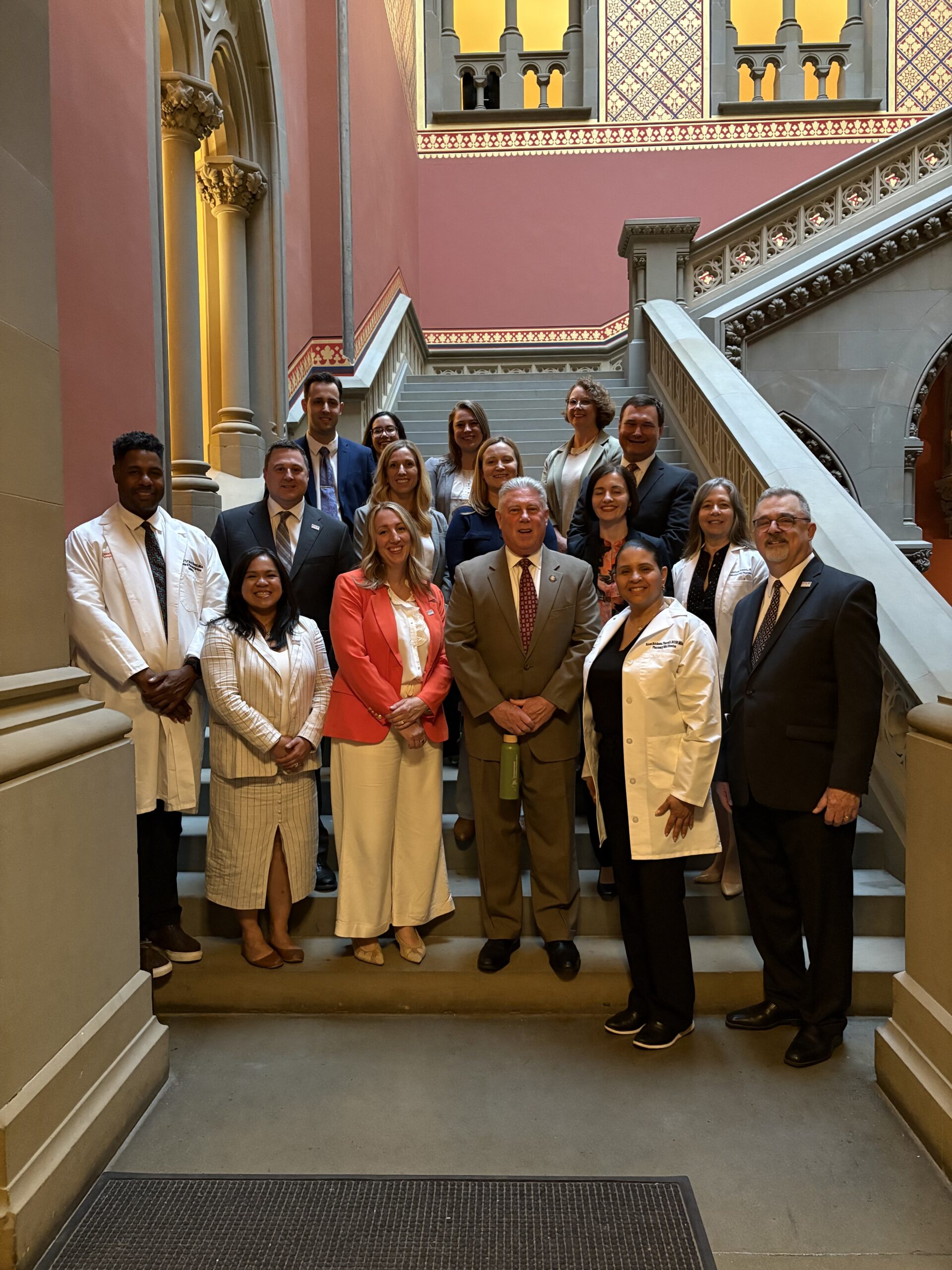
HOW is Standard of Care different for NY Pharmacists?
Standard of Care (SOC) regulatory model differs from the traditional regulatory model.
- Recognizes professional heterogeneity
- Defined as the level and type of care that a reasonably competent and skilled professional, with a similar background, education, training, and experience and in the same medical community, would have provided under the circumstances.
- Dynamic and advances with new technologies, treatments, and skills
Bright-line regulation specifies the activities a health professional is permitted to engage in as defined by state laws and regulations.
- One-size-fits-all for all professionals regardless of education or practice site
- Static and requires change in legislation to permit new activities
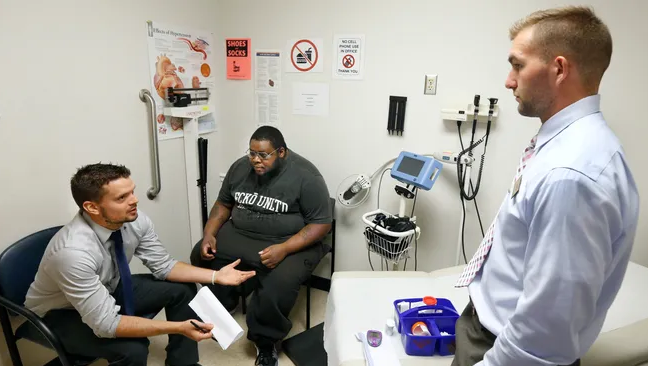
WHAT Does This Regulatory Change Do for Pharmacists in New York State?
The SOC model aligns pharmacists with their professional peers and establishes regulatory parity.
References:
- National Association of Boards of Pharmacy. North American Pharmacy Licensure Exam Content Outline. May 1, 2025.
- Frost T, Wolfson J. Toward Pharmacist Full Practice Authority. Cicero Institute. November 2024
- American Society of Health-Systems Pharmacists. Advocacy Agenda 2026 2026 Advocacy Agenda (accessed 5.24.26)
National licensing standards for entry-level pharmacists include:
- Foundational knowledge such as pharmaceutical science, calculations, and compounding and drug development processes
- Medication use processes such as interpretation and evaluation of medication orders, therapeutic equivalency decisions, and medication storage and handling
- Person-Centered Care principles such as gathering patient history, assessment of signs and symptoms of conditions, determining appropriate treatment for the patient, monitoring response to medication treatment, and educating patients regarding non-pharmacologic treatments
- Professional practice responsibilities such as disease prevention initiatives, adverse event and error reporting, and holding the profession to the utmost ethical standards
- Management and leadership skills such as business operations, upholding legal requirements for pharmacy operations, and precepting learners from multiple professional backgrounds